About the Journal
Capturing the thinking behind the work.
Conversations In Orthopaedics exists to capture the thinking behind the work.
Orthopaedic surgery has never been short on data. Journals publish it, textbooks systematize it, and conferences debate it. But some of the most valuable knowledge in the field never makes it onto a page — the judgment calls, the reasoning behind a technique, the lessons learned across a career, the honest disagreements between people who have spent decades refining their craft. That knowledge usually lives in hallway conversations, mentorship, and the rooms most people never get into.
We started this publication to open those rooms.
Through in-depth interviews with leading surgeons and researchers, we document not just what the field's most respected voices do, but why they do it — how they approach hard cases, how their thinking has evolved, where they think the specialty is headed, and what they'd tell the people coming up behind them. Our aim is to make the wisdom of established orthopaedic leaders accessible to students, trainees, researchers, and practicing surgeons alike.
We hold a simple editorial standard: we feature people who advance the field through evidence and sound reasoning, not marketing. In a specialty where new devices and techniques are constantly promoted, we believe rigor is what earns a place in these pages.
Every issue is a bridge — between generations, between the bench and the operating room, and between the people shaping orthopaedics today and the ones who will shape it tomorrow.
The Masthead
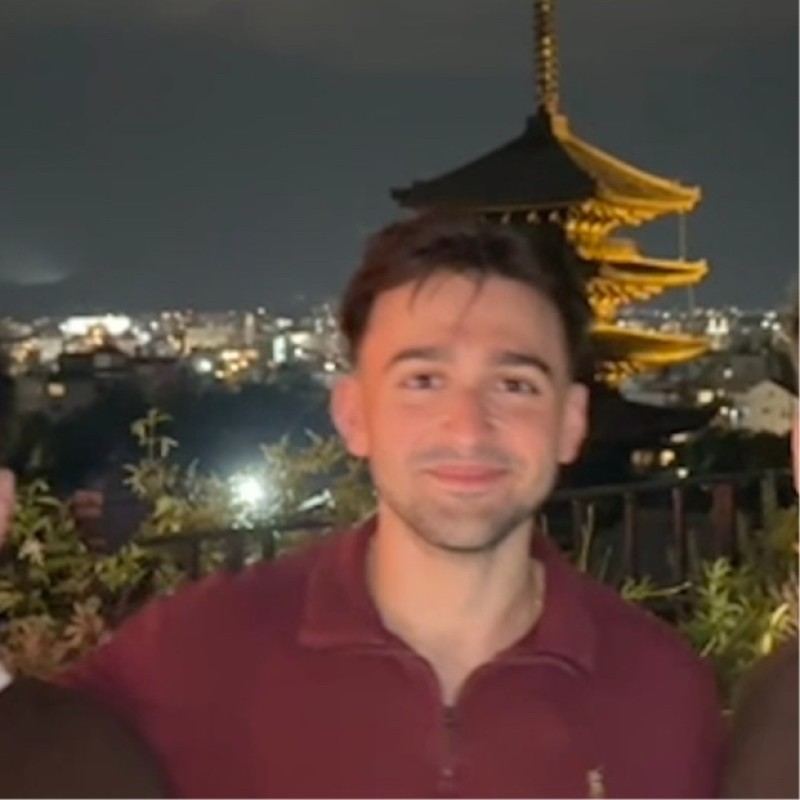
Kamil R. Jarjess
Interviewer & Host · Editorial Direction
Kamil leads the editorial line and conducts every interview — building the publication he wished existed when he was on the outside looking in.
LinkedIn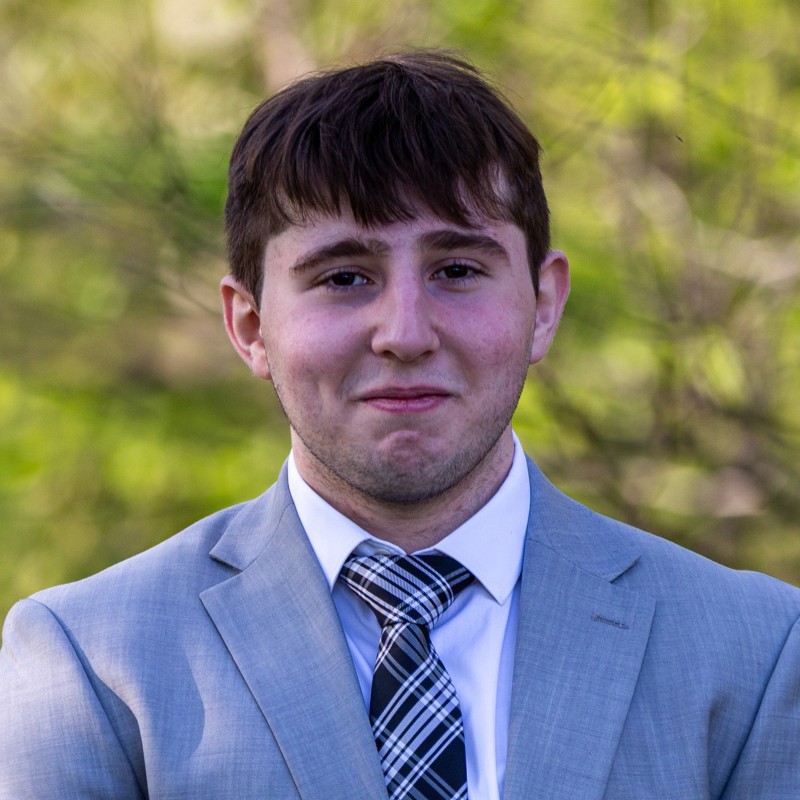
Nafea Aqrawi
Operations, Partnerships & Subscriber Growth
Nafea leads the operational and business side of the journal. He has long been drawn to the intersection of business and medicine — the systems that let good work reach the people who need it. From the beginning, he focused on building something durable: how a publication grows, how partnerships are formed, how an audience is earned rather than bought. He handles operations, partnerships, and subscriber growth so the editorial team can focus on the writing.
LinkedInA note from the founder
“I started Conversations In Orthopaedics as someone on the outside looking in.”
Long before I was a medical student, I was a researcher who loved this field — reading the papers, presenting the work, and trying to understand not just the findings but the minds behind them. What I kept wishing for was a way to sit across from the surgeons and researchers I admired and ask the questions that don't fit neatly into a manuscript. What were you thinking in that moment? What did you get wrong early on? What do you believe now that you didn't ten years ago?
So I decided to build the thing I wanted to exist.
This publication is my attempt to bring those conversations to everyone who, like me, is trying to learn from the best in the field — and doesn't always have a seat at the table. I've been fortunate to receive guidance from people I deeply respect, including mentors who reminded me that our responsibility is to elevate work grounded in evidence, not hype. That principle guides everything we publish.
Orthopaedics is a hard field to break into and a harder one to master. But it's also full of people who are generous with their knowledge when someone takes the time to ask. My hope is that these conversations give the next generation a little more of that access — and remind the field that the reasoning behind the work is worth preserving, too.
Kamil R. Jarjess
Founder & CEO · Conversations In Orthopaedics
Bring your perspective
Suggest a paper worth appraising, a guest worth hearing, or a debate worth having. The conversation is the point.